


Mon-Fri 08:00/20:00 - Sat 08:00/13:00
+39 030 37 01 312
info@poliambulatorioberdan.it
– Merry Christmas, uncle! A merry Christmas! God bless you! – shouted a playful voice. It was the voice of Scrooge’s nephew. […]
– […] A merry Christmas! To hell with Christmas with all the merriment! Or what else is Christmas but a day of deadlines when you have no money; a day when you find yourself a year older and not an hour richer. If I had my way, every idiot who goes around with this “merry Christmas” in his mouth would have to be boiled in his own pot and buried with a holly stick in his heart. Yes, indeed!
– Uncle! – prayed the nephew.
– Nephew! – Buckled the uncle frowning, – Keep your Christmas you, and leave me mine.
– Your Christmas! But what Christmas is yours if you do not make any?
– It means that this is how I like it, and you don’t break my head. […]
– […] The fact is that I have always held Christmas Day, when it came again as a good day, a day when people love each other, give charity, forgive and have a good time: the only day on the calendar, when men and women by mutual agreement seem to open their hearts and think of poor people as fellow travelers to the grave and not already as another race of creatures set off on other paths. And yet, Uncle, though I have never kicked the cross of a penny into my pocket, I believe that Christmas has done me good and will do me good. Yay, therefore, for Christmas!
Adapted loosely from Charles Dickens, A Christmas Carol
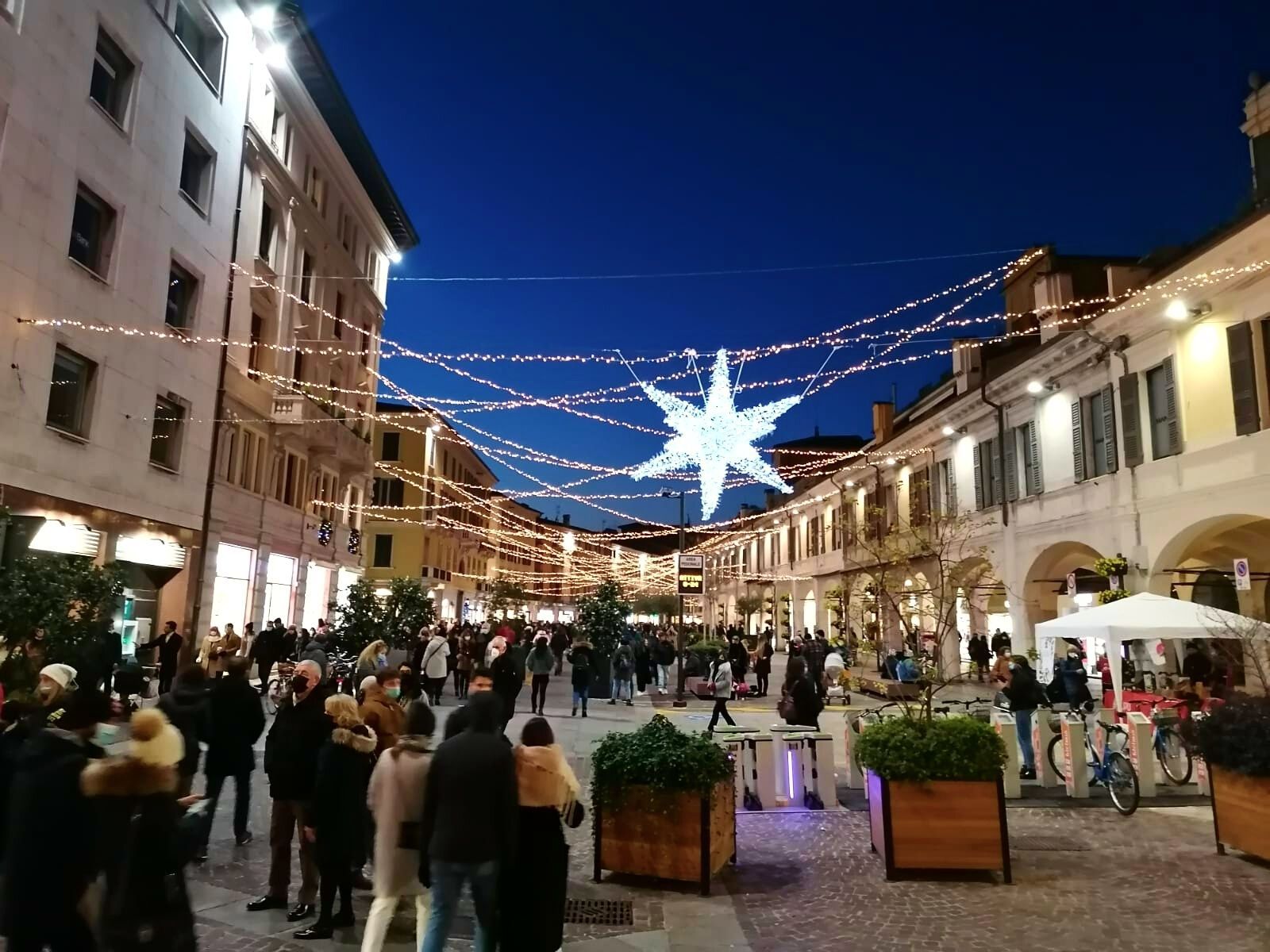
In Dickens’ “A Christmas Carol,” Scrooge and his grandson have totally opposite views of Christmas: the former hates it, the latter adores it. We also have a personal view of it. For those who love it, Christmas is about sharing, fun and traditions. It is a unique day of the year when we set aside commitments to devote our time to loved ones and ourselves. It allows us to strengthen and cultivate bonds. Sharing moments, meals, traditions. Everyone has their own, personal ones, with family, with friends, like exchanging gifts, cooking together, playing board games. Traditions allow us to find familiar situations every year, which give us a sense of security. On the other hand, some may be common to many, such as decorating the Christmas tree, which make us feel that we belong to a community.
What about those who don’t have traditions? Or does not appreciate celebrating Christmas? At first glance, one might think that these people are like Scrooge, gruff and heartless… But in reality, each of us has a personal way of experiencing the holidays, which is not always necessarily associated with positive feelings, thoughts and memories. There are those who do not like to give or receive gifts, there are those who associate the holiday with a negative event, there are those who feel stressed in juggling the various appointments typical of these holidays or feel almost “obliged” to celebrate something they feel is fake or constructed.
It may also happen that our vision changes from year to year, because life events may change our perception of the holidays, such as an unexpected event, the arrival of a child, a bereavement, or such as loss or change of job.
There is no escaping Christmas, however, as there is no escaping the other holidays: advertisements on television, decorated cities, window displays set up, on every corner we come across the symbols of the holidays.
The Christmas tree is not always decorated uniformly; there are parts that are more bare, others with more balls, but both are part of the same tree. Thus, both those who love Christmas and those who dislike it are part of the same community.
So, whether we like them or not, we can seize the opportunity and question what the holidays mean to us, valuing in each case the emotions they arouse in us. Thus, we can choose whether to celebrate or not, freely, but with an awareness of the feelings that holiday gives us.
What about you, do you enjoy the holidays? What emotions do they arouse in you?
Insights
Mon-Fri 08:00/20:00 - Sat 08:00/13:00
030 37 01 312
info@poliambulatorioberdan.it
Mon-Fri 08:00/20:00 - Sat 08:00/13:00
030 37 01 312
info@poliambulatorioberdan.it